
Susmita Chatterjee is a Senior Health Economist at the George Institute for Global Health, India and her research interests include costing of health services, economic burden studies, health financing and economic evaluations.

Your poster at IHEA considered three interventions against RSV in India which all showed to be potentially cost-effective. Could you tell us more about this work, what intervention(s) will be important to prioritize and the next steps?
Our analysis was a preliminary exploration of the current candidate interventions in the pipeline, with the main objective being to assess the impact on budget from introducing the interventions. While the most likely candidate for introduction is the monoclonal antibody, the current routine immunization system has never delivered any monoclonal antibody so further work is needed to look into how this intervention can be delivered. The maternal vaccine can be easily integrated with Tetanus vaccine (TT) delivery, but the antibody delivery may require some changes to the system.
This study is an important first step, but we will be updating the analysis when we are able to get more data on vaccine characteristics and other metrics such as the cost of treatment for RSV, in order to estimate the cost savings.
Do you think it’s likely that the government will introduce an RSV vaccine?
Yes, I think RSV vaccine is one of the potential vaccines in the list of new vaccine introductions.
Have you been part of any process which allows you to directly work with the government?
Yes, I have been working closely with the immunization division for 10 years. Currently, I am working on the costing and financing of the National Immunization Strategy. This is the third five-year plan which I’ve been a part of, and I’m really honored to be doing this again. The two previous plans were comprehensive multi-year strategic plans (cMYP) for immunization while what we are developing now is a National Immunization Strategy, which is more concise, specific, and objective than the cMYP, so it will be easier for policy makers to use.
What are the key challenges in generating economic evidence to support new vaccine introductions?
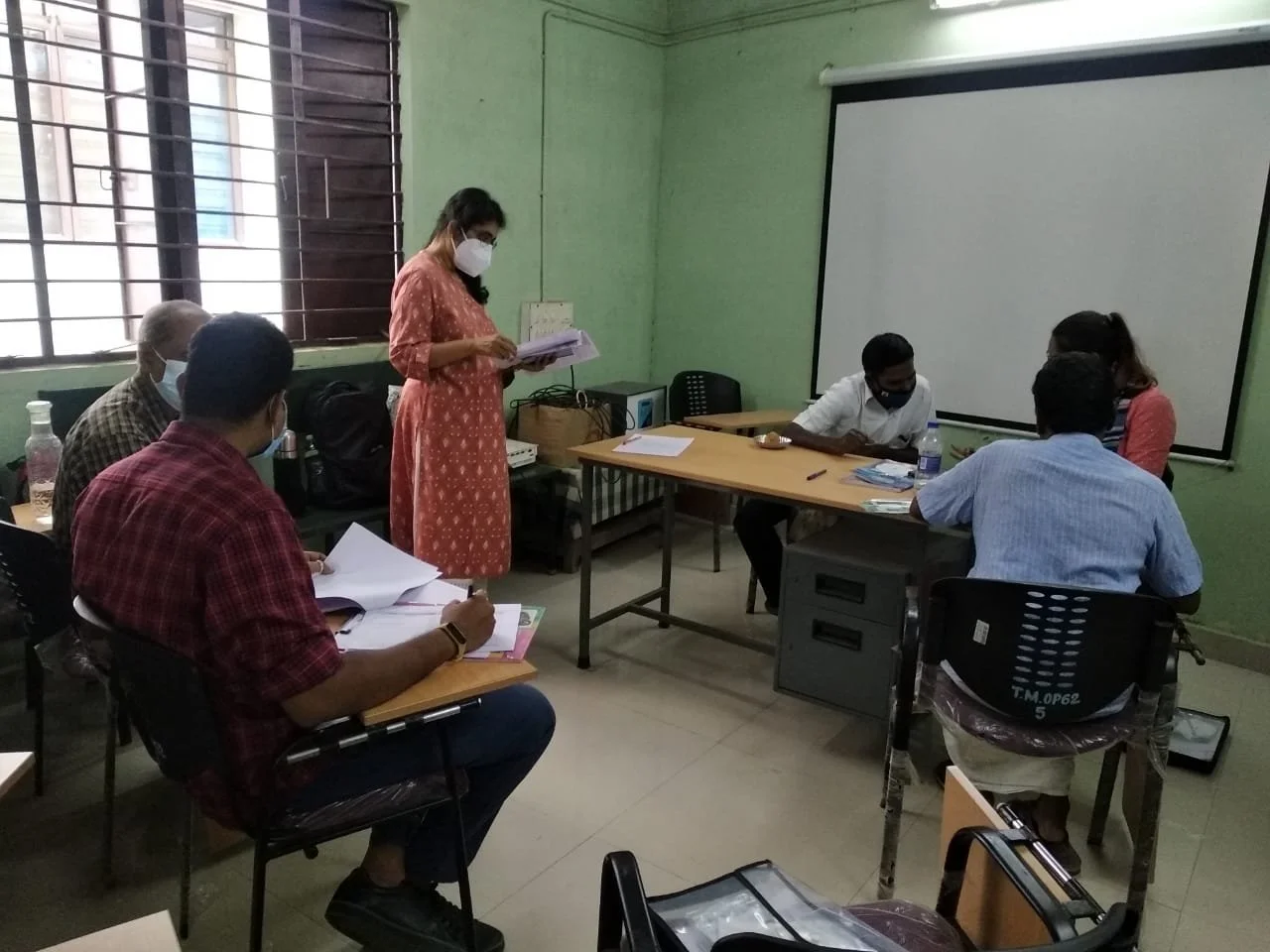
When working on the cMYP in 2013, I realized that there is a lack of unit cost data available in India, for example on the cost of vaccination per child. This kind of basic information is required for budgeting but was missing. We then conducted a study in seven states (you can find publications here and here) to generate evidence on the cost of routine immunization and encountered a major challenge during data collection in that all data was stored in hard copy and extracting data manually from the records was a lot of work. Differences in datasets between states also required effort to integrate together. The amount of travel necessary and the different languages spoken across the country also make staff recruitment for these studies a challenge. While there are issues, it’s a very interesting subject and there is so much work to do in health economics in India.
What have been the enabling factors for carrying out costing studies?
From the beginning, the immunization division has been very interested in and supportive of our studies. We developed concept notes together with the division so they could have input on the data required for the ministry to better understand the economics of immunization. The buy-in and permissions granted by the government made data collection much easier.
Has the generation and use of economic evidence changed during the 10 years you’ve worked with the immunization division at the health ministry?
The ministry has been appreciative of the work and has wanted to be involved since the start. We have brought the health ministry’s attention to the economic costs of vaccination such as staff time and donated items, previously the focus was only on financial costs
“We have brought the health ministry’s attention to the economic costs of vaccination such as staff time and donated items, previously the focus was only on financial costs”
How has the interest in immunization economics at the ministry developed?
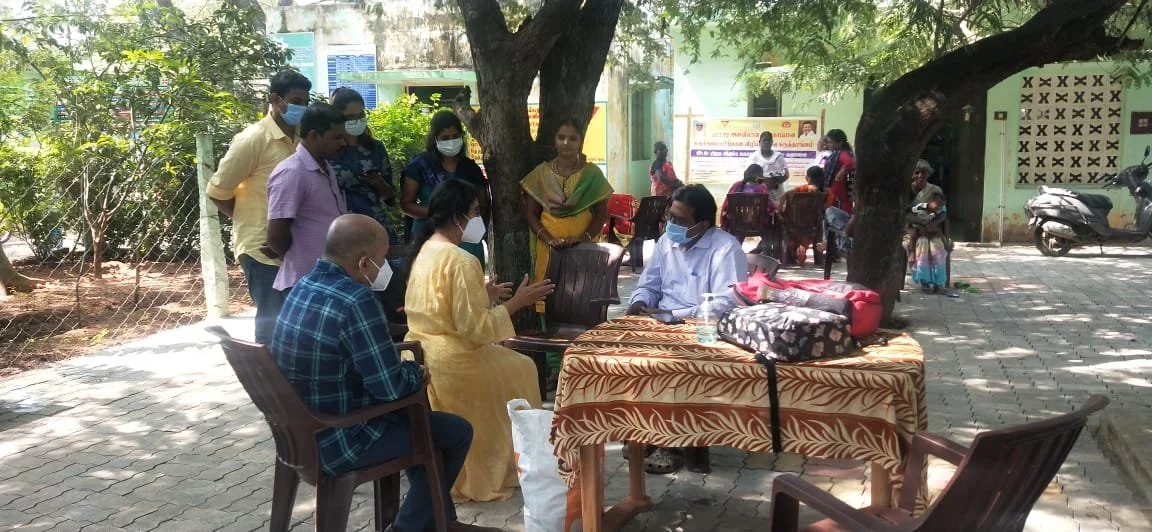
It started in a top-down manner from the central division of the ministry, and then interest grew at state and district levels. We delivered several Teaching Vaccine Economics Everywhere (TVEE) courses with Johns Hopkins University which were well received and attended by a variety of staff such as state and district immunization officers and program managers. I’ve spoken to program officers at state and district level who want to join any courses which are run in the future.
What other projects are you working on currently?
I’m leading a large project to help understand the economic burden of tuberculosis (TB) in India which is a huge health issue. While TB treatment is free, we want to estimate the current economic burden from the patient perspective and assess how much protection patients need from catastrophic healthcare expenditures.
How do you like to spend time outside of work?
I love to travel, whether it’s for work or otherwise. When travelling for meetings and conferences I try to keep a few days free in the schedule to take off and roam around. I also love reading books and listening to music.
What is your recommendation for visitors to Delhi?
I feel a connection to both Delhi and Kolkata and recommend them both to visitors. Delhi is a historical place with a mixture of modern things to do and interesting monuments. The Taj Mahal is also only about a four-hour drive from Delhi, which is one of the seven wonders in the world and a great place to visit. I’m originally from Kolkata, another culturally rich city and the capital of India during the British era where the traditional Bengali food and sweets are very famous, plus there is good tea from Darjeeling.
Are you interested in being featured in a future newsletter? Or would like to nominate another member? Please email immunizationeconomics@thinkwell.global with your suggestion and a brief description of your or their work. We are specifically interested in spotlighting the work and profiles of country researchers working on immunization economics.