
A new publication in Vaccines examines micro-array patches for measles and rubella vaccination (MR-MAPs), which are an innovative alternative to the traditional needle and syringe (N&S) method. MR-MAPs offer promising benefits such as reducing the burden on health care personnel, minimized wastage, and increased thermostability. The authors carried out an initial full value vaccine assessment (iFVVA) b
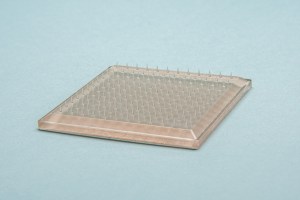
efore MR-MAPs entered phase I trials to quantify their value and identify any challenges. A mixed-methods approach was utilized and comprised of a rapid literature review, stakeholder interviews and surveys, and numerous quantitative analyses. Based on projected scenarios and modelling, the authors found that from 2030 until 2040, MR-MAPs have the potential to reach an additional 80 million children when compared to the N&S modality, if widely deployed. MR-MAPs could avert up to 37 million measles cases, 400,000 measles deaths, and 26 million disability-adjusted life years (DALYs). MR-MAPs could be cost saving for routine immunization in low- and middle-income countries (LMICs) when they had optimal product characteristics of low price, controlled temperature chain (CTC) properties, and small cold chain volumes.
Image credit: PATH/Patrick McKern

Any organization or individual working in the field of immunization economics can submit findings, opportunities, calls to action, or other relevant work below to be shared with our community.