
ICAN’s member countries – Indonesia, Tanzania, and Vietnam – generated cost evidence to address challenges at the top of their health and immunization financing agendas to ensure program and policy relevance. Each country team included health economist researchers, immunization managers, and planners from Ministries of Health. Technical facilitators from Health Systems Insight (formerly ThinkWell Institute) and JSI helped guide the country teams in interpreting and translating cost evidence to ensure its use in country decision-making processes, fundraising and advocacy efforts, and routine planning and budgeting.
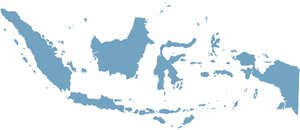 Indonesia
The study found that school delivery was least costly, followed by outreach, primarily due to high volumes. Facility-based delivery was most costly due to low volumes. There was a strong relationship between cost and volume across districts and cities: as the number of doses delivered increased, the cost per dose decreased. Study findings will be used by the Ministry of Health and BAPPENAS to inform the National Medium-Term Development Plan, and the Health Operational Cost Guidelines for subnational annual budgeting and planning.
 Tanzania
The study found cost per dose was lowest at rural facilities with nomads in their catchment population, followed by urban facilities, and then rural facilities without nomads. Outreach delivery is more than three times as expensive as facility-based delivery, but the magnitude of the difference varies immensely by geography. Vaccine delivery costs represented 16% of the total immunization program cost. Study findings will be used by the Tanzania Ministry of Health (MoHCDGEC) to update national guidelines to support Comprehensive Council Health Plan (CCHP) budgeting for operational activities, and to inform the next five-year National Health Plan and immunization comprehensive multi-year plan (cMYP).
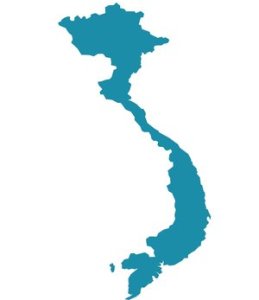 Vietnam
The study found school-based delivery to be cheapest and outreach and campaign delivery to be most expensive. Study findings helped the Vietnam Ministry of Health understand the budget impact of introducing Td. When compared with the cost of the current TT program from 2018-2025, the findings showed that a cost saving of US$6.9 million could be realized if introducing Td in schools, compared with a cost saving of US$4.2 million for facility-based introduction. An additional cost of US$2.3 million would be incurred over that period if a combination of facility and outreach delivery would be used. The Ministry of Health is now piloting Td delivery through school- and facility-based strategies, leveraging the results of the costing study.
Any organization or individual working in the field of immunization economics can submit findings, opportunities, calls to action, or other relevant work below to be shared with our community.